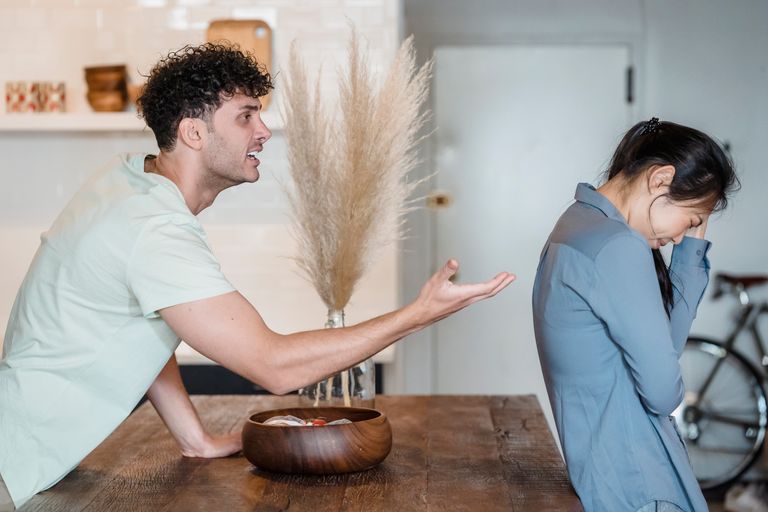

10 Reasons Why So Many People Struggle to Respect Themselves (and how to rebuild it)
Despite its importance, many people struggle to genuinely respect themselves. They may appear confident, successful, or capable on the outside while privately feeling unworthy, ashamed, or never quite “good enough.”
The encouraging news is that self-respect is not something you are born with or without. It is something that develops through experience, healing, and intentional choices. Understanding why it can be so difficult is often the first step toward rebuilding it. As psychiatrist Viktor Frankl observed:
“Everything can be taken from a man but one thing: the last of the human freedoms—to choose one’s attitude in any given set of circumstances.”
Let’s try to define it, then dive into the 10 reasons why self-respect can be challenging and what to do about it.
What Is Self-Respect?
Self-respect is one of those qualities that quietly shapes every area of life. It influences the relationships we choose, the boundaries we set, the opportunities we pursue, and even the way we speak to ourselves when no one else is listening. Even if our past has shaped our self-image, it does not have to define our future.
Self-respect means recognizing your inherent worth while treating yourself with dignity. It is not arrogance, superiority, or believing you are better than others. Instead, it is believing that you matter just as much as anyone else. People with healthy self-respect:
- Honor their values.
- Set healthy boundaries.
- Accept compliments without dismissing them.
- Admit mistakes without believing they are failures.
- Care for their physical and emotional well-being.
Those who lack self-respect often do the opposite, sacrificing their needs to gain approval or accepting treatment they would never want for someone they love. Here are 10 reasons why people might struggle with self-respect and if you are struggling yourself, how to start rebuilding it.
1. Childhood Messages Can Last for Decades
Much of our self-respect begins forming in childhood.
Children naturally assume the adults around them are right. When parents, teachers, or caregivers repeatedly criticize, shame, neglect, or dismiss a child, those messages can become internal beliefs. Instead of hearing:
“You made a mistake.”
They begin believing:
“I am a mistake.”
Psychologist Carl Rogers believed that people thrive when they experience unconditional positive regard. Without it, many spend adulthood trying to earn the acceptance they never received. Healing often begins with replacing inherited beliefs with compassionate truth. As Rogers wrote:
“The curious paradox is that when I accept myself just as I am, then I can change.”
2. We Compare Ourselves to Everyone Else
Modern life makes comparison almost unavoidable. Social media presents carefully edited versions of people’s lives. Promotions, weddings, vacations, perfect homes, and smiling family photos appear endless. Psychologist Theodore Roosevelt famously warned:
“Comparison is the thief of joy.”
While the quote remains widely attributed to Roosevelt, its exact historical source is uncertain. Regardless of its origin, the idea resonates because comparison shifts attention away from personal growth and toward imagined inadequacy.
The problem is that we compare our entire lives with someone else’s highlight reel. No one wins that comparison.
3. Perfectionism Makes “Good Enough” Impossible
Some people believe respecting themselves must be earned once they…
- lose twenty pounds
- get promoted
- find a partner
- stop making mistakes
Only then will they deserve to be kind and respectful to themselves. Perfectionism creates an impossible finish line that keeps moving farther away. The goal posts are always moving for that one day when we will finally be able to respect ourselves.
That one day is actually today. Respecting ourselves during the journey, and not just at the destination, is important because the journey is hard work and that deserves respect. This journey will have its failures, successes, ups and downs, detours, and shortcuts. So, during this journey be kind and respectful to yourself. Psychologist Brené Brown writes:
“Talk to yourself like you would to someone you love.”
Self-respect grows when we allow ourselves to be human instead of flawless.
4. We Tie Our Worth to Achievement
Many people unknowingly confuse performance with value. A successful project creates confidence, whereas a failure destroys it.
When identity depends entirely upon success, every setback feels like proof of personal inadequacy. Philosopher Marcus Aurelius offered a different perspective:
“Very little is needed to make a happy life; it is all within yourself, in your way of thinking.”
Achievement can be deeply satisfying, but it was never meant to determine your worth. It’s already there, just for being you. If you wants to achieve things, great. That just adds to an already awesome person.
5. We Stay in Relationships That Reinforce Low Self-Worth
People often accept the love they believe they deserve. Someone who lacks self-respect may tolerate:
- constant criticism
- emotional manipulation
- dishonesty
- broken promises
- disrespectful behavior
Over time these experiences reinforce negative beliefs about themselves. Healthy relationships don’t create self-respect, but they certainly help protect it. Author Bell Hooks wrote:
“Love and abuse cannot coexist.”
6. Negative Self-Talk Becomes a Habit
Many people would never speak to another person the way they speak to themselves.
- “I’m so stupid.”
- “I always ruin everything.”
- “No one really likes me.”
Repeated often enough, these thoughts begin to feel like facts. Psychologist Albert Ellis, founder of Rational Emotive Behavior Therapy, emphasized that it is often our beliefs about events—not the events themselves—that create emotional suffering.
Changing our inner dialogue doesn’t mean pretending everything is wonderful. It means learning to speak accurately instead of cruelly.
7. We Fear Rejection More Than We Value Ourselves
Some people say yes when they want to say no.
- They apologize for existing.
- They avoid conflict at all costs.
- They constantly seek reassurance.
Why? Because rejection feels more painful than self-abandonment. As self-respect grows, pleasing everyone becomes less important than living honestly. Psychologist Abraham Maslow observed:
“What is necessary to change a person is to change his awareness of himself.”
8. Shame Keeps Us Stuck in the Past
Everyone has regrets and has made mistakes. However it’s shame that tells us our worst moments define who we are forever.
Psychiatrist Viktor Frankl believed meaning could still emerge from suffering. The goal is not pretending the past never happened or to let yesterday permanently determine today’s identity.
9. We Ignore Our Own Needs
Many caring people consistently prioritize everyone else. They become exhausted trying to be helpful, dependable, and available.
Eventually resentment appears. Self-respect includes recognizing that your needs matter too. As Confucius taught:
“Respect yourself and others will respect you.”
Caring for yourself is not selfish. It is one of the foundations of caring well for others.
10. We Forget That Self-Respect Is Built Through Daily Choices
Many people imagine self-respect arrives like confidence. Instead, it develops one decision at a time.
- Every healthy boundary
- Every promise kept to yourself
- Every act of honesty
- Every moment of self-forgiveness
Each one quietly strengthens your relationship with yourself. Identity grows from repeated action. As philosopher Epictetus advised:
“First say to yourself what you would be; and then do what you have to do.”
How to Begin Rebuilding Self-Respect
If you struggle with self-respect, remember that you are far from alone. Nearly everyone carries wounds, doubts, and moments of self-criticism. The difference is not whether we have these experiences, but whether we allow them to define us.
You do not need to become a different person before treating yourself with dignity. You simply need to begin acting toward yourself with the same patience, compassion, and honesty you would offer someone you deeply love.
Self-respect rarely arrives all at once. It grows quietly, choice by choice, until one day you realize you no longer need to convince yourself that you matter. You simply know that you do.
Reflection Questions
- When did I first begin questioning my own worth?
- Which beliefs about myself truly belong to me, and which were given to me by others?
- Do I treat myself with the same kindness I offer friends?
- Where am I sacrificing my values to gain someone else’s approval?
- What is one small act of self-respect I can practice today?
Continue Your Journey
If this article spoke to you, don’t let the reflection end here. Reading can spark new ideas, but lasting insight often comes from taking time to reflect on your own experiences, especially through writing privately for yourself.
The free Pathways of Love Reflection Guide is designed to help you explore these ideas more deeply through guided journaling and thoughtful reflection. As you write over days and weeks, you’ll begin to notice patterns, gain new insights, and discover more about yourself than reading alone can reveal.
Growth isn’t just about finding the right answers. It’s about asking meaningful questions and giving yourself the space to explore them.
Download your free Reflection Guide and continue the journey of understanding yourself, your relationships, and the life you want to create.

Further Reading
Want to learn more about overthinking, self-awareness, emotional regulation, and taking meaningful action? Explore these articles and discover new perspectives.
- Can You Love Someone and Still Know They Are Wrong for You?
- Why We Sometimes Push Away the People We Love Most
- What It REALLY Means to Protect Your Peace
- Why We Misunderstand Each Other So Easily
- 12 Quotes About Listening to Yourself and Discovering What Your Heart Already Knows
- How Do You Know Whether It’s Time to Listen, Work, or Act?
Begin Your Journey of Reflection and Living Powerfully
Receive a free reflection guide to help you better understand yourself, your relationships, and the paths that shape your life.