

Why Do I Miss Someone Who Wasn’t Good for Me?
You know the relationship wasn’t right for you. You remember the disappointments, the difficult conversations, the nights you spent wondering whether things would ever change. Perhaps you even remember the relief you felt when it was finally over.
And yet, sometimes, you miss them. A familiar song comes on the radio. You pass a restaurant where you used to eat together. Something funny happens, and for a moment, they’re still the first person you want to tell.
Then comes the confusion. Why would you miss someone who hurt you? Why would your heart long for something your mind knows isn’t healthy? Does missing them mean you made a mistake?
Human emotions are rarely as straightforward as we’d like them to be. Understanding why we miss someone who wasn’t good for us begins with accepting that love, attachment, grief, and wisdom don’t always arrive at the same conclusion at the same time.
1. Missing Someone Doesn’t Mean You Belong Together
One of the most difficult lessons in relationships is that two seemingly contradictory things can be true at once. You can love someone and recognize that being with them isn’t healthy. You can appreciate the memories you shared while acknowledging the pain they caused. You can miss someone without wanting them back.
We sometimes treat our feelings as instructions. If we miss someone, we assume we should reach out. If we still love them, we wonder whether we should try again, but feelings are information, not obligations.
You can choose what you want. You know it wasn’t working out and why. Ask yourself, if you returned to the relationship, would you satisfy your feelings of missing them, but then start feeling the disappointments and conflicts again? Which feelings are worse?
Missing someone tells you that the relationship mattered to you. It doesn’t necessarily tell you that the relationship should continue. There’s a meaningful difference between honoring what someone once meant to you and giving them a place in your future.
2. You May Miss How They Made You Feel
Sometimes, what we miss isn’t entirely the person. It’s the experience of being with them.
Perhaps they made you feel desirable, interesting, adventurous, or understood. Maybe being with them brought excitement into an otherwise predictable life. You might miss waking up beside someone, receiving affectionate messages throughout the day, or having another person with whom to share your hopes and frustrations.
When a relationship ends, we don’t just lose a person. We can also lose routines, companionship, intimacy, and a sense of belonging. Consider asking yourself:
- What exactly do I miss about this person?
- Do I miss who they were, or how I felt when things were good?
- What needs did this relationship fulfill?
- Are there other healthy ways I could meet those needs?
Understanding what you’re longing for can help you discover that some of what you lost can be found again, without returning to a relationship that caused you pain.
3. Your Memories May Be Showing You an Incomplete Picture
Imagine looking through a photo album from a relationship that ended painfully. You see the vacation, the birthday celebration, the laughter, and the quiet afternoons together.
What you probably don’t see are the photographs of unanswered messages, broken promises, difficult arguments, or moments when you felt alone despite being together.
Our memories can sometimes work in a similar way. When we’re lonely or nostalgic, the beautiful moments may become especially vivid, while the reasons we left feel increasingly distant. This doesn’t mean the good memories are false. They were real, and they deserve their place in your story. The difficult ones were also real…sometimes very real.
A helpful exercise is to write two lists. In the first listt, describe what you genuinely loved about the relationship. On the second, describe what made the relationship unhealthy, painful, or unsustainable. Reconciling the two lists doesn’t have to be about which list is longer. It could be about which items on either list are most impactful to you, your peace of mind, and you want to live yoour.
You don’t need to make someone a villain to justify moving forward. You simply need to remember the relationship honestly and completely.

4. Unpredictable Affection Can Create Powerful Attachments
Some of the hardest relationships to leave are those in which affection and disappointment alternate. One day, someone makes you feel deeply loved. The next, they seem distant or unavailable. Just when you’re ready to give up, they offer the tenderness you’ve been longing for. Those moments of renewed affection can feel especially powerful because they bring relief from uncertainty and emotional distress.
Psychologists use the term intermittent reinforcement to describe how unpredictable rewards can strengthen certain patterns of behavior. In relationships, something similar can happen when affection or reassurance arrives inconsistently.
You may find yourself longing not only for the person, but also for the relief you experienced when things temporarily became good again. Over time, emotional intensity can begin to feel like emotional intimacy, but intensity and intimacy aren’t the same thing.
Healthy intimacy grows through consistency, honesty, mutual respect, and emotional safety. It doesn’t require you to repeatedly earn someone else’s affection.
5. You’re Grieving the Future You Imagined
Sometimes the most painful part of losing someone isn’t losing what you had. It’s losing what you believed you could have together.
Perhaps you imagined growing old with them, traveling together, creating a home, or building a family. Maybe you believed that, with enough patience and understanding, the difficult parts of the relationship would eventually disappear.
When the relationship ends, that imagined future ends too and that future can be surprisingly difficult to grieve. You might find yourself thinking about who the person could have become or what the relationship might have been under different circumstances.
There’s nothing inherently wrong with recognizing someone’s potential. But potential isn’t the same as reality. A relationship can’t be sustained entirely by the hope that one day it will become something different.
Part of healing involves grieving the possibilities that didn’t become realities, while gradually becoming open to possibilities you haven’t yet imagined.
6. You May Miss the Person You Were With Them
Relationships often become intertwined with our identities. Perhaps you were younger when you met. Perhaps you felt more spontaneous, hopeful, or confident. Maybe the relationship belonged to a chapter of your life when the future seemed full of possibilities.
When you think about that person, you may also be thinking about an earlier version of yourself.
You may miss your sense of adventure, your willingness to take risks, or the excitement of falling in love. This kind of longing can be difficult to recognize because it feels as though the other person holds the key to something you’ve lost within yourself. The qualities you enjoyed about yourself during that relationship weren’t necessarily theirs to give or take away.
Your capacity for joy, affection, curiosity, and connection still belongs to you. You can rediscover those parts of yourself without recreating the circumstances in which you first experienced them.
7. Understanding Something Isn’t the Same as Emotionally Accepting It
You can understand intellectually why a relationship needed to end long before you feel emotionally at peace with that decision. Your mind may recognize incompatibility, repeated disrespect, or unhealthy patterns. Your emotions, however, may still respond to familiar memories, habits, and attachments.
This is one reason healing rarely follows a predictable timeline. You might feel peaceful for several weeks and then suddenly experience a wave of sadness. You might be excited about meeting someone new and still occasionally think about someone from your past.
These experiences don’t necessarily mean you’re moving backward. Emotional acceptance often develops gradually as you create new experiences, establish new routines, and discover that life can still be meaningful without the person you once imagined sharing it with. You don’t have to demand that your heart immediately agree with every decision your mind has made.
How to Move Forward When You Still Miss Someone
Missing someone doesn’t have to prevent you from building a meaningful life. Here are five ways to navigate the experience with compassion and self-respect.
1. Allow Yourself to Feel Without Immediately Acting
When you miss someone, notice the feeling before deciding what to do about it. You might say to yourself, “I’m missing them today. That doesn’t mean I need to contact them.” Emotions can be experienced without being acted upon. Giving yourself time creates space between the feeling and the decision.
2. Remember Why the Relationship Ended
When nostalgia becomes overwhelming, gently remind yourself of the circumstances that led to the relationship ending. The purpose isn’t to become angry or resentful. It’s to maintain a balanced perspective. Ask yourself whether the things that made the relationship unhealthy have actually changed, or whether you’re simply missing the moments when they weren’t present.
3. Give Yourself Permission to Create Distance
Repeatedly checking someone’s social media, rereading old messages, or searching for opportunities to reconnect can sometimes make it harder to move forward. Consider what boundaries would support your healing. Creating distance doesn’t necessarily mean you dislike someone. Sometimes it means you’re choosing to give yourself the emotional space necessary to build a different life.
4. Rebuild the Parts of Your Life That Feel Empty
Instead of focusing entirely on what you’ve lost, pay attention to what your life needs now. Perhaps you need more companionship, adventure, meaningful conversation, physical affection, creative expression, or a renewed sense of purpose. These needs are worth taking seriously. Reconnect with friends. Explore new interests. Return to activities you once loved. Create experiences that remind you that your capacity for happiness isn’t dependent on one particular person.
5. Practice Self-Respect Alongside Self-Compassion
Self-compassion allows you to acknowledge that you miss someone. Self-respect helps you remember what you need and deserve in a relationship. Neither requires you to deny the other. You can be gentle with yourself when memories return while remaining committed to relationships that offer mutual care, consistency, and respect. If painful relationship patterns continue to affect your daily life or future relationships, talking with a qualified therapist can also help you understand and navigate those experiences.
Books That Can Help You Understand Your Feelings
As an Amazon Associate, Pathways of Love earns from qualifying purchases. If you purchase a book through one of our links, we may receive a small commission at no additional cost to you.
Sometimes a good book gives us language for experiences we’ve struggled to understand. These three books offer different perspectives on attachment, healing, and moving forward.
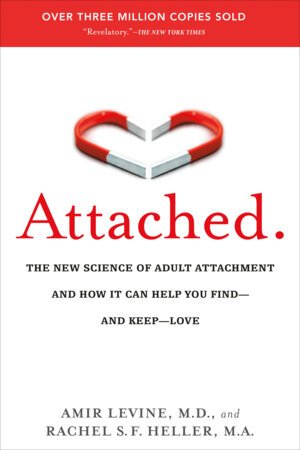
Attached, by Amir Levine and Rachel Heller
An accessible introduction to adult attachment patterns and how they influence our experiences of romantic relationships. It may help you reflect on why certain relationship dynamics feel especially compelling.
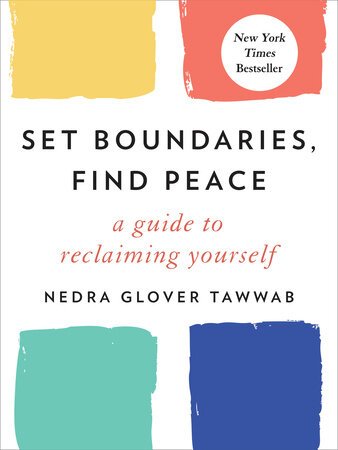
Set Boundaries, Find Peace, by Nedra Glover Tawwab
A practical guide to recognizing your needs, communicating boundaries, and creating healthier relationships without becoming disconnected from others.
View ‘Set Boundaries, Find Peace’ on Amazon
Letting Go, by David R. Hawkins
A spiritual perspective on experiencing difficult emotions and releasing the struggle against them. It offers a reflective approach for readers interested in acceptance and inner peace.

Each of these books approaches healing differently. You don’t have to agree with every idea in a book to discover something meaningful within it.
A Final Thought
Not everyone we love is someone we’re meant to continue building a life with. Some relationships teach us about our needs. Others reveal the boundaries we haven’t learned to establish. Some introduce us to beautiful parts of ourselves, even while showing us what we can no longer accept.
You don’t have to erase the good memories to move forward. You don’t have to stop caring about someone to recognize that your life needs to take a different direction. Perhaps healing isn’t the moment you finally stop missing someone. Perhaps it’s the moment you realize that you can miss them, appreciate what was beautiful, acknowledge what was painful, and still choose a future that honors who you are.
There is room in your heart for gratitude for the past and hope for something different and there is still so much life ahead of you!