
Why We Misunderstand Each Other So Easily
Have you ever left a conversation thinking…?
- “That’s not what I meant.”
- “That’s not what they meant.
Or was it?”
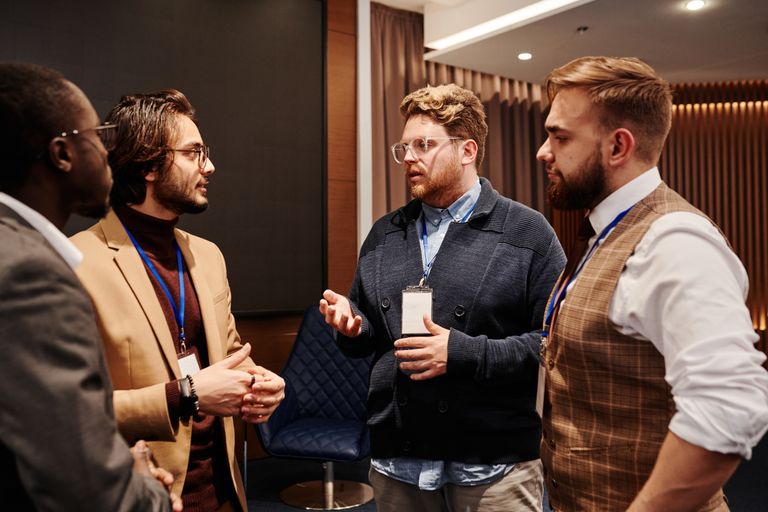
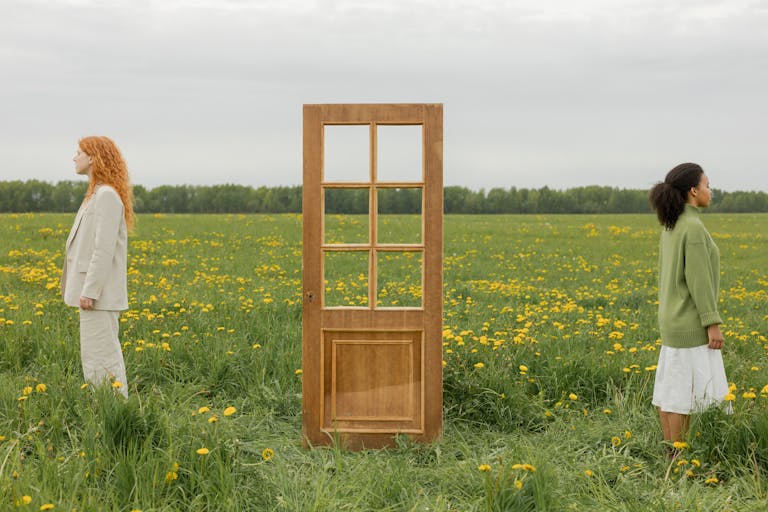
Most misunderstandings don’t happen because people are malicious or uninterested in your point of view. They often happen because every person experiences life through their own unique lens. Whatever you say to someone else, they are interpreting and making meaning out of it from their lens of their own experience and their own point of view, not yours.
We See Through Different Filters
Our experiences shape how we interpret the world. Those filters include:
- Childhood experiences
- Culture
- Family values
- Education
- Personality
- Past relationships
- Current stress levels
Two people can hear the exact same sentence and assign completely different meanings to it. Anaïs Nin said,
“We don’t see things as they are, we see them as we are.”
We Listen to Respond
Many conversations are not really conversations. They are waiting rooms. People often don’t listen to the other person, instead they are thinking about what they want to say and they are merely waiting for their turn to speak. Author and leadership expert Stephen Covey famously wrote:
“Seek first to understand, then to be understood.”
Yet most of us naturally do the opposite.
Assumptions Fill the Gaps
When information is incomplete, our minds automatically fill in missing details. Sometimes we assume:
- Intentions
- Motives
- Feelings
- Future actions
And those assumptions are often wrong. When assume things about others, it’s easy to fall into the trap of projection. Carl Jung said,
“Everything that irritates us about others can lead us to an understanding of ourselves.”
So, projection in psychological terms is more or less projecting ourselves and our experience onto others. This is problematic because we would be assuming others’ experience, hopes, and dreams, may be just like our own. And you may know the old adage about when we assume.
“When we assume, we make an a** out of u and me!”
Curiosity Changes Everything
Curiosity creates space. Instead of assuming, we ask. Instead of defending, we explore with questions like:
- “Can you tell me more?”
- “What did you mean by that?”
- “Help me understand your perspective.”
These questions can transform a conversation. They let the other person know you want to see it from their perspective and experience. They may open up more. They may feel validated. They may trust and connect with you when only a few minutes ago, you thought you would never stop talking past each other.
Final Reflection
Understanding is rarely about agreeing. It is about seeing clearly enough that another person’s perspective begins to make sense, even when it differs from your own. Understanding someone from their perspective rather than our own might be the most enlightening and informative experience we can ever have. Where in your life might greater curiosity create greater understanding? How might this help you and others?
Further Reading
Want to learn more about overthinking, self-awareness, emotional regulation, and taking meaningful action? Explore these articles and discover new perspectives.
- Can You Love Someone and Still Know They Are Wrong for You?
- Why We Sometimes Push Away the People We Love Most
- What It REALLY Means to Protect Your Peace
- Why We Misunderstand Each Other So Easily
- 12 Quotes About Listening to Yourself and Discovering What Your Heart Already Knows
- How Do You Know Whether It’s Time to Listen, Work, or Act?
Begin Your Journey of Reflection and Living Powerfully
Receive a free reflection guide to help you better understand yourself, your relationships, and the paths that shape your life.