

7 Best Books on Self-Respect Without Becoming Selfish
You say yes when you want to say no. You apologize when you haven’t done anything wrong. You put everyone else’s needs first, then wonder why you feel so exhausted. And somewhere along the way, you begin asking a difficult question:
If I start putting myself first, does that make me selfish?
It doesn’t have to. Self-respect isn’t about believing you’re more important than everyone else. It’s about recognizing that you’re just as important. It’s learning to honor your needs, values, and limitations without disregarding those of others.
The right book can help you understand why this is so difficult and how to begin changing it.
These seven books explore self-respect from different perspectives, including vulnerability, boundaries, self-compassion, and personal responsibility. An exciting part of this journey is exploring the books that fit you and your situation best.
Affiliate disclosure: As an Amazon Associate I earn from qualifying purchases. If you purchase a book through one of our links, Pathways of Love may earn a commission at no additional cost to you.
Our Top Picks at a Glance
| Book | Author | Best For |
|---|---|---|
| The Gifts of Imperfection | Brené Brown | Letting go of perfectionism |
| The Six Pillars of Self-Esteem | Nathaniel Branden | Building lasting self-worth |
| Self-Compassion | Kristin Neff | Overcoming harsh self-criticism |
| Set Boundaries, Find Peace | Nedra Glover Tawwab | Respecting your own limits |
| The Courage to Be Disliked | Ichiro Kishimi and Fumitake Koga | Breaking free from approval-seeking |
| The Assertiveness Workbook | Randy J. Paterson | Practicing confident communication |
| Radical Acceptance | Tara Brach | Accepting yourself without judgment |
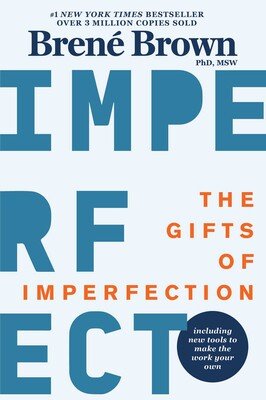
1. The Gifts of Imperfection — Brené Brown
Best for: People who feel they must earn their worth.
Do you sometimes feel that being respected depends on being successful, helpful, attractive, or agreeable?
In The Gifts of Imperfection, Brené Brown explores how perfectionism and shame can keep us from accepting ourselves as we are. Drawing on her research into shame and vulnerability, Brown encourages readers to move away from constantly proving their worth and toward what she calls wholehearted living.
One of the book’s most valuable ideas is that belonging doesn’t require us to abandon our authentic selves.
✨ Why we recommend it: This is an accessible starting point for readers who confuse self-respect with achievement or other people’s approval.
💡Something to consider: Brown’s reflective, storytelling approach may appeal less to readers looking for structured exercises and step-by-step instructions.
View The Gifts of Imperfection on Amazon
2. The Six Pillars of Self-Esteem — Nathaniel Branden
Best for: Readers who want a structured approach to building self-esteem.
Nathaniel Branden argues that healthy self-esteem grows through daily practices rather than occasional moments of positive thinking.
He identifies six pillars: living consciously, self-acceptance, self-responsibility, self-assertiveness, living purposefully, and personal integrity. These ideas offer a practical way to examine the relationship between what we believe about ourselves and how we behave.
For example, someone who values honesty but constantly hides their opinions to avoid conflict may experience tension between their values and their actions.
✨Why we recommend it: The book offers a comprehensive framework for understanding how self-respect develops through consistent choices.
💡Something to consider: Some of Branden’s psychological claims and terminology reflect an earlier era of self-esteem research. Treat the framework as a useful perspective rather than a complete scientific account.
View The Six Pillars of Self-Esteem on Amazon
3. Self-Compassion — Kristin Neff
Best for: People who are much harder on themselves than on others.
Imagine speaking to a close friend the way you sometimes speak to yourself.
Would you call them foolish for making a mistake? Tell them they’re unworthy because a relationship ended? Remind them constantly of their shortcomings?
Kristin Neff’s Self-Compassion challenges the belief that harsh self-criticism is necessary for personal growth. Neff describes self-compassion through three connected elements: self-kindness, common humanity, and mindfulness.
Rather than ignoring mistakes, self-compassion allows us to acknowledge them without turning them into judgments about our entire identity.
✨Why we recommend it: This book helps readers develop self-respect without relying on superiority, perfection, or constant external validation.
💡Something to consider: Readers who are uncomfortable with mindfulness or reflective exercises may need time to adjust to the approach.
View Self-Compassion on Amazon
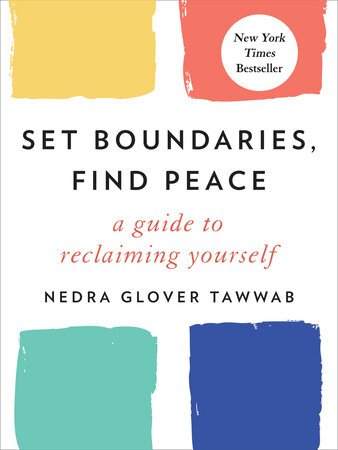
4. Set Boundaries, Find Peace — Nedra Glover Tawwab
Best for: People who feel guilty saying no.
Self-respect becomes meaningful when it influences our decisions.
You might believe you deserve rest, but do you allow yourself to rest when someone asks for another favor?
You might believe your feelings matter, but do you speak up when someone repeatedly dismisses them?
Therapist Nedra Glover Tawwab explains how boundaries help us protect our time, emotional energy, and relationships. The book addresses common challenges such as communicating expectations, recognizing unhealthy patterns, and dealing with the discomfort that sometimes follows setting a limit.
✨Why we recommend it: Tawwab connects self-respect to everyday behaviors, making the subject immediately practical.
💡Something to consider: Boundaries are not a guarantee that others will change. Sometimes they reveal difficult choices about relationships.
View “Set Boundaries, Find Peace” on Amazon
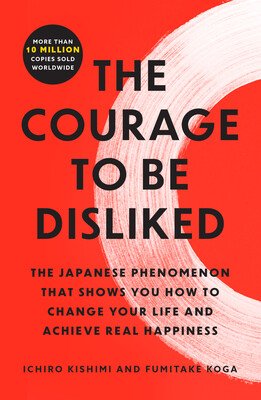
5. The Courage to Be Disliked — Ichiro Kishimi and Fumitake Koga
Best for: Readers who worry excessively about what others think.
What would your life look like if you stopped organizing your decisions around other people’s approval?
Presented as a conversation between a philosopher and a young man, The Courage to Be Disliked introduces ideas drawn from Alfred Adler’s psychology. The book challenges readers to reconsider how much responsibility they assume for other people’s expectations, judgments, and happiness.
Its central appeal is the possibility of living according to your own values without demanding universal approval.
✨Why we recommend it: It offers a provocative perspective for readers who have spent years trying to keep everyone happy.
💡Something to consider: Some of the book’s claims about trauma, responsibility, and personal choice are controversial and can feel overly absolute. Readers should not interpret them as dismissing the effects of trauma or systemic circumstances.
View “The Courage to Be Disliked” on Amazon
6. The Assertiveness Workbook — Randy J. Paterson
Best for: Readers who want practical communication skills.
Knowing you deserve respect is one thing. Expressing your needs in a difficult conversation is another.
Psychologist Randy J. Paterson provides exercises for developing assertive communication, including expressing opinions, making requests, and responding to criticism. Assertiveness is different from aggression. It allows you to communicate clearly while recognizing that other people also have rights and needs.
For someone accustomed to avoiding conflict, even a simple statement such as “That doesn’t work for me” can feel uncomfortable.
✨Why we recommend it: This book turns the abstract idea of self-respect into communication skills readers can practice.
💡Something to consider: As a workbook, it requires active participation rather than passive reading.
View The Assertiveness Workbook on Amazon
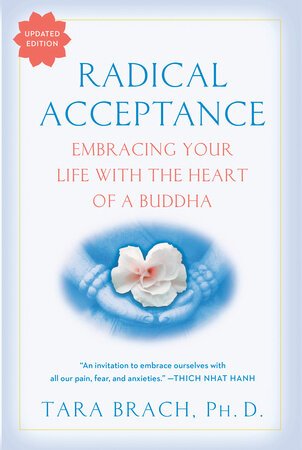
7. Radical Acceptance — Tara Brach
Best for: Readers struggling with shame or a persistent sense of inadequacy.
Many people live with the quiet belief that something about them is fundamentally wrong.
Tara Brach explores how shame, fear, and self-judgment can create a sense of separation from ourselves and others.
Combining psychological insights with Buddhist teachings and mindfulness practices, she offers an approach centered on awareness and compassion.
Radical acceptance does not mean approving of every behavior or abandoning the desire to grow. It means acknowledging our present experience without making self-rejection the starting point for change.
✨Why we recommend it: This is a thoughtful choice for readers who want to explore the emotional roots of self-criticism.
💡Something to consider: Its spiritual and meditation-oriented approach may not suit every reader.
View Radical Acceptance on Amazon
Which Self-Respect Book Should You Read First?
The best choice depends on what makes self-respect difficult for you.
- If you’re a perfectionist: Start with The Gifts of Imperfection.
- If you want a comprehensive framework: Choose The Six Pillars of Self-Esteem.
- If your inner critic is relentless: Try Self-Compassion.
- If you struggle to say no: Read Set Boundaries, Find Peace.
- If you need everyone’s approval: Consider The Courage to Be Disliked.
- If you struggle to speak up: Work through The Assertiveness Workbook.
- If you carry deep feelings of inadequacy: Explore Radical Acceptance.
Self-Respect Is Not Selfishness
Perhaps the most important distinction is this: selfishness disregards the needs of others, while healthy self-respect recognizes that your needs matter, too. You can
- be generous without being endlessly available
- love someone without agreeing with everything they do
- acknowledge your mistakes without deciding that you are a mistake
And you can make room for your own happiness without taking happiness away from someone else. If this subject resonates with you, continue exploring self-respect through our article 15 Small Habits That Build Self-Respect.
You might also enjoy our companion reading guides on setting boundaries without guilt and overcoming people-pleasing.
Because self-respect isn’t something you have to earn by becoming a different person. It’s something you can begin practicing in the life you already have.